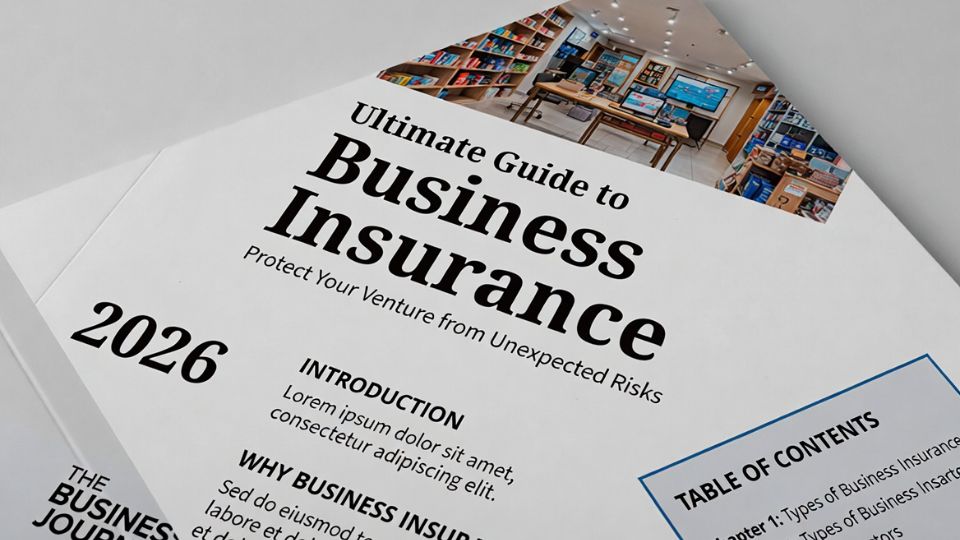
Running a business comes with excitement, but it also brings uncertainties like lawsuits, property damage, or employee injuries. Without proper protection, these issues can drain your finances and derail your operations. Business insurance acts as a safety net, covering potential losses and helping your company thrive in a competitive landscape.
In this comprehensive guide, we’ll explore everything you need to know about business insurance, from its types and costs to choosing the right provider. Whether you’re a startup owner or managing an established firm, understanding these essentials can save you time and money.
What is Business Insurance?
Business insurance, also known as commercial insurance, is a collection of policies designed to shield companies from financial losses due to risks like accidents, theft, or legal claims. It differs from personal insurance by focusing on business assets, operations, and liabilities. For instance, it can cover your office equipment, vehicles, or even lost income during downtime.
Most policies are customizable, allowing you to tailor coverage to your industry. Small businesses often start with basic packages, while larger ones add specialized protections. According to industry insights, the most common setup is a Business Owners Policy (BOP), which bundles property and liability coverage for efficiency.
This insurance isn’t just optional—it’s often required by law, lenders, or clients to ensure you’re prepared for the unexpected.
Why Do You Need Business Insurance?
No business is immune to risks, and skipping insurance can lead to devastating consequences. Imagine a customer slipping in your store and suing for injuries; without coverage, you’d pay out-of-pocket, potentially bankrupting your operation. Business insurance provides peace of mind by handling claims, legal fees, and repairs.
It also builds credibility. Clients and partners prefer working with insured businesses, knowing they’re protected against disruptions. In 2025, with rising cyber threats and natural disasters, having coverage is more crucial than ever. Studies show that uninsured businesses face higher recovery costs after incidents, often leading to closure.
Beyond protection, it supports growth. Insured companies can take calculated risks, like expanding services or hiring more staff, without fearing total loss.
Types of Business Insurance
Understanding the various types of business insurance helps you select what’s relevant. Not every policy fits all businesses, so assess your needs based on size, industry, and location.
General Liability Insurance
This foundational coverage protects against third-party claims for bodily injury, property damage, or advertising injuries. For example, if a client trips at your office, it covers medical bills and legal defense. It’s essential for customer-facing businesses and often costs around $500-$1,000 annually for small firms.
Commercial Property Insurance
Safeguard your physical assets like buildings, equipment, and inventory from fire, theft, or storms. This policy replaces or repairs damaged items, ensuring quick recovery. It’s vital for retail or manufacturing operations where assets represent significant investments.
Workers’ Compensation Insurance
Mandatory in most states, this covers employee medical expenses and lost wages from work-related injuries or illnesses. It also shields you from lawsuits by injured workers. Premiums depend on your payroll and industry risk level, averaging $0.75-$2.74 per $100 of payroll.
Professional Liability Insurance
Also called errors and omissions (E&O) insurance, it covers claims of negligence or mistakes in services. Ideal for consultants, accountants, or lawyers, it handles defense costs if a client sues over poor advice.
Cyber Liability Insurance
With data breaches on the rise in 2025, this policy covers costs from hacks, including notification expenses and legal fees. It’s increasingly important for e-commerce or tech businesses handling customer data.
Other types include product liability for manufacturers, business interruption for lost income, and commercial auto for company vehicles. A BOP often combines several for cost savings.
Comparing Top Business Insurance Providers in 2025
Choosing a provider involves evaluating coverage options, customer service, and pricing. Here’s a comparison table of leading companies based on 2025 ratings and features:
| Provider | Key Strengths | Complaint Level | Average Annual Cost for Small Businesses | Best For |
|---|---|---|---|---|
| The Hartford | Comprehensive BOP, strong workers’ comp | Low | $1,000-$2,500 | Overall experience and small firms |
| Chubb | Customizable high-limit policies, global coverage | Very low | $1,500-$3,000 | Comprehensive needs and larger businesses |
| Next Insurance | Online quotes, affordable for startups | Low | $300-$1,200 | Affordability and quick setup |
| Progressive | Bundled options, commercial auto expertise | Moderate | $500-$2,000 | Vehicle-heavy businesses |
| Nationwide | Top-rated workers’ comp, customizable | Low | $800-$2,200 | Broad industry coverage |
These providers stand out for low complaints and strong financial stability. Always get personalized quotes to match your needs.
Pros and Cons of Business Insurance
While business insurance is invaluable, weigh its advantages against potential drawbacks.
Pros
- Financial Protection: Covers unexpected costs, preventing bankruptcy from claims or disasters.
- Legal Compliance: Meets state requirements and contract obligations, avoiding fines.
- Peace of Mind: Allows focus on growth without constant worry about risks.
- Credibility Boost: Attracts clients and partners who value insured operations.
- Tax Benefits: Premiums are often deductible as business expenses.
Cons
- Upfront Costs: Premiums can strain budgets, especially for startups.
- Policy Limitations: Not all risks are covered; exclusions may leave gaps.
- Claim Process: Filing can be time-consuming, with potential denials.
- Over-Insurance Risk: Paying for unnecessary coverage wastes money.
- Rate Fluctuations: Premiums may rise based on claims history or market changes.
Balancing these ensures you get value without overspending.
How Much Does Business Insurance Cost?
Costs vary widely, but small businesses typically pay $500-$3,000 annually for basic coverage. Factors include business size, location, industry risk, and coverage limits. For example, a low-risk consulting firm might spend $42 monthly on general liability, while a construction company pays more due to hazards.
In 2025, averages are:
- General Liability: $500-$1,500/year
- Workers’ Comp: $1,000-$5,000/year (payroll-based)
- BOP: $1,000-$2,500/year
Shop around and bundle policies to reduce expenses. Higher deductibles can lower premiums but increase out-of-pocket costs during claims.
How to Choose and Get Business Insurance Quotes
Start by assessing risks: Inventory assets, review contracts, and consider industry threats. Use online tools from providers like Next or The Hartford for instant quotes.
Compare at least three options, focusing on coverage details, not just price. Work with an independent agent for unbiased advice. In 2025, digital platforms make it easier, but verify provider ratings via NAIC or J.D. Power.
Update policies annually as your business evolves—adding employees or locations may require adjustments.
Conclusion
Business insurance is essential for protecting your hard work from unforeseen challenges. By understanding types, costs, and providers, you can secure tailored coverage that supports long-term success. Don’t wait for a crisis—invest in protection today to build a resilient business tomorrow.
FAQ
What is the average cost of business insurance for small businesses?
Small businesses often pay between $500 and $3,000 per year, depending on coverage and risk factors. Basic general liability starts around $42 monthly, while comprehensive packages cost more.
Do all businesses need insurance?
Most do, especially if you have employees, property, or client interactions. It’s legally required in many cases, like workers’ comp, and protects against financial ruin.
What are the most essential types of business insurance?
Start with general liability, commercial property, and workers’ compensation. Add professional or cyber liability based on your operations for full protection.