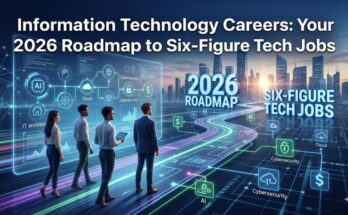
Feel that? The ground shifting beneath your feet. That’s not anxiety—it’s the acceleration of information technology rewriting every rule you thought was solid. You’re not behind. You’re exactly where you need to be to pivot, adapt, and lead.
Let’s cut through the noise. This isn’t another generic “tech is important” lecture. We’re diving into the tactical, the profitable, and the surprisingly human side of IT that actually moves needles for USA-based professionals and businesses.
Why Information Technology Is No Longer Optional—It’s Essential
Remember when “going digital” felt like a luxury upgrade? Those days evaporated. Today, information technology isn’t a department—it’s the oxygen your operations breathe.
The Hidden Costs of Ignoring IT Evolution
Think skipping that cloud migration saves money? Think again. Legacy systems bleed cash through downtime, security gaps, and talent drain. One mid-sized logistics firm in Texas lost $220K in a single ransomware incident—purely because they delayed updating their endpoint protection.
That’s not fear-mongering. That’s forensic accounting. The real expense isn’t adoption—it’s hesitation.
Real-World Impact: How IT Transforms Everyday Business
Take Sarah, a marketing director in Austin. By integrating a simple CRM automation with her team’s workflow, she cut client onboarding from 14 days to 48 hours. No AI hype. No buzzword bingo. Just smart information technology applied with intention.
That’s the multiplier effect. When you align tech with human goals, efficiency isn’t a metric—it’s a momentum shift.
Mastering the Core Pillars of Modern Information Technology
Information technology isn’t monolithic. It’s a constellation of interlocking disciplines. Master these three, and you’ll navigate 90% of today’s digital challenges with confidence.
Cloud Computing: Beyond the Hype
Cloud isn’t just about storage. It’s about elasticity. Imagine scaling your compute power during a flash sale, then dialing it back post-event—paying only for what you use. That’s cloud economics in action.
Start small. Migrate one non-critical workload. Measure performance, cost, and team sentiment. Iterate. The cloud rewards the curious, not the cautious.
Cybersecurity: Your Digital Fortress Strategy
Forget “set and forget” firewalls. Modern cybersecurity basics demand layered defense: multi-factor authentication, zero-trust architecture, and continuous employee training. One phished credential can unravel years of security investment.
Pro tip: Run quarterly “red team” drills. Simulate an attack. Watch where your defenses buckle. That’s where you invest next.
Data Intelligence: Turning Information Into Action
Data without context is just noise. The magic happens when you ask the right questions. What customer behavior predicts churn? Which supply chain variable causes the most delay?
Use lightweight BI tools like Power BI or Looker Studio. Connect them to your existing databases. Start with one dashboard. Let insights drive decisions—not gut feelings.
Navigating IT Career Paths: From Beginner to Expert
The IT landscape rewards skill, not just tenure. Whether you’re pivoting careers or leveling up, these pathways deliver real ROI in the USA market.
Skills That Actually Pay Off in 2026
Forget chasing every new framework. Focus on durable skills: cloud architecture (AWS/Azure), security fundamentals (CompTIA Security+), and data fluency (SQL + visualization). These aren’t trends—they’re table stakes.
Here’s a secret: soft skills compound. The engineer who can explain a complex outage to non-tech stakeholders? They get promoted faster. Always.
Certification vs. Experience: What Employers Really Want
Certifications open doors. Experience walks you through them. The sweet spot? Pair a respected cert (like AWS Solutions Architect) with a tangible project—maybe automating your home lab or contributing to an open-source tool.
Employers in high-CPC markets like San Francisco, New York, and Dallas crave proof. Show them you can ship value, not just pass exams.
Future-Proofing Your Tech Stack: Practical Steps Today
Technology evolves fast. Your strategy shouldn’t. Build adaptability into your foundation with these actionable frameworks.
The 90-Day IT Audit Framework
Quarterly, ask three questions: What’s working? What’s breaking? What’s emerging? Document answers. Prioritize one improvement per cycle. Small, consistent upgrades beat sporadic overhauls.
Example: Month 1, audit password policies. Month 2, test backup restoration. Month 3, evaluate one new automation tool. Progress, not perfection.
Budget-Friendly Tools That Deliver Enterprise Results
You don’t need a Fortune 500 budget. Leverage free tiers: GitHub Actions for CI/CD, Cloudflare for security, and OBS for internal training videos. Stack them wisely.
One startup in Denver saved $18K annually by replacing three paid tools with open-source alternatives—without sacrificing reliability. Resourcefulness beats resources.
Common IT Mistakes (And How to Avoid Them)
Even seasoned pros stumble. Learn from these frequent missteps to accelerate your digital transformation journey.
The “Set It and Forget It” Trap
Technology decays. Configurations drift. Updates accumulate. Schedule monthly maintenance windows. Treat your stack like a garden—it needs weeding, watering, and occasional replanting.
Automation helps, but human oversight is irreplaceable. A 10-minute weekly review can prevent a 10-hour outage.
Overlooking Human Factors in Tech Implementation
The best tool fails if your team resists it. Involve end-users early. Solicit feedback. Co-create workflows. Change management isn’t fluff—it’s the difference between adoption and abandonment.
Remember: You’re not implementing software. You’re enabling people. Keep that human center, and your IT initiatives will stick.
Conclusion: Your Next Move in the Information Technology Arena
The digital frontier isn’t coming. It’s here. And it’s rewarding those who act with clarity, courage, and curiosity. You don’t need to master everything today. Just start.
Pick one pillar from this guide. Audit one process. Upskill in one area. Momentum builds from motion. The future of information technology isn’t written by algorithms—it’s shaped by professionals like you, making intentional choices today.
Ready to level up? Bookmark this guide. Share it with your team. Then, take that first small, powerful step. Your future self will thank you.
Frequently Asked Questions: Information Technology Insights
What’s the most in-demand IT skill in the USA right now?
Cloud architecture paired with security fundamentals. Employers in high-growth markets prioritize professionals who can design scalable, secure systems—especially on AWS or Azure.
How can small businesses compete with enterprise IT budgets?
Focus on leverage, not spend. Use managed services, open-source tools, and phased implementations. One well-automated workflow can deliver more ROI than a dozen half-deployed enterprise suites.
Is a computer science degree necessary for an IT career?
No. While degrees help, certifications, portfolios, and demonstrable problem-solving skills often carry more weight—especially in agile, results-driven USA tech hubs.
How often should I update my IT infrastructure?
Adopt a continuous improvement mindset. Audit quarterly. Patch monthly. Plan major upgrades every 18-24 months. Flexibility beats rigid schedules in fast-moving environments.
What’s the fastest way to gain practical IT experience?
Build a home lab. Automate a personal task. Contribute to open-source. Document your process. Real-world problem-solving trumps theoretical knowledge every time.